
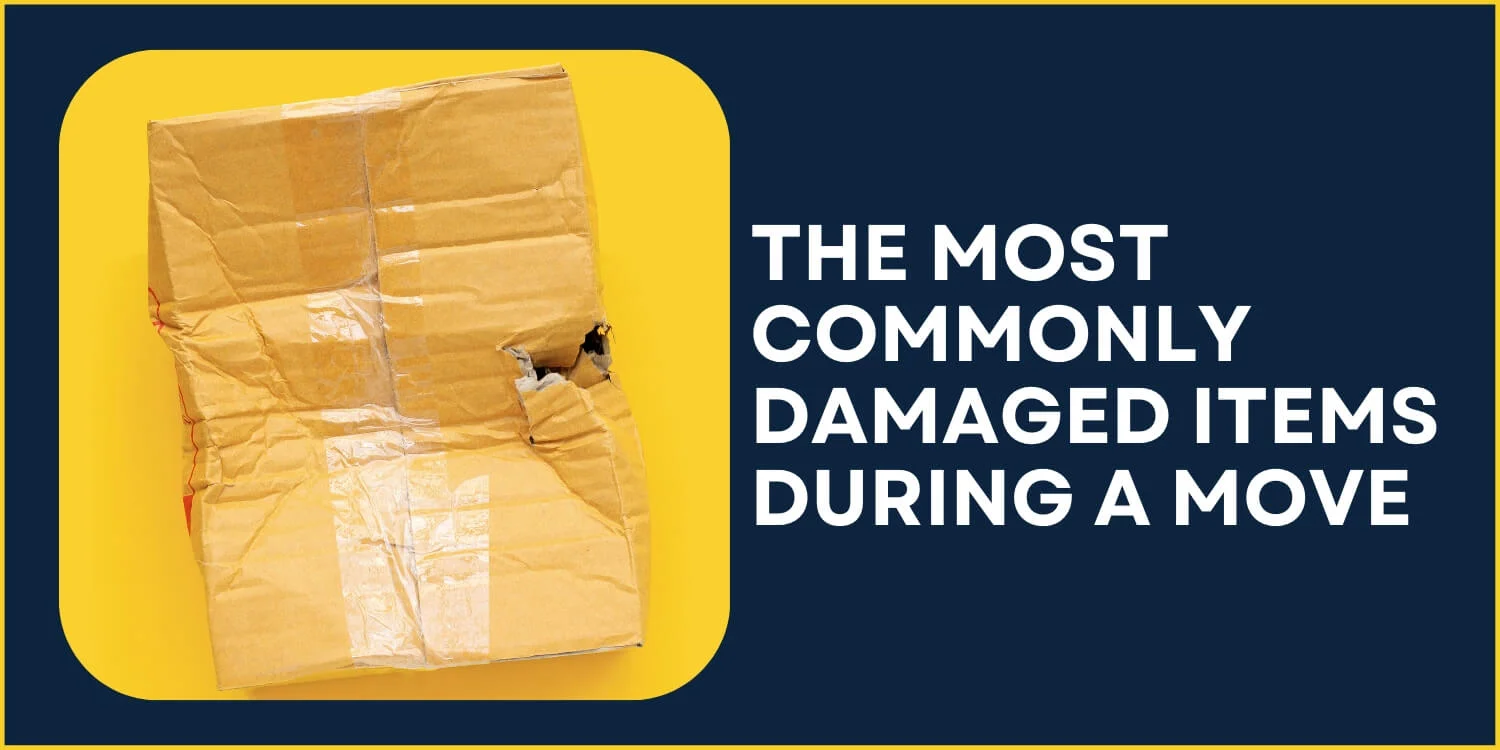
Moving is already stressful and the last thing anyone wants is to break a favorite piece of furniture, a key kitchen appliance or an entire box of fragile glassware. But when people are rushed and overwhelmed, they often skip important steps just to save time—leading to accidents. The best way to keep your belongings safe is to understand what usually goes wrong and take steps to prevent it. Hiring a moving company that offers insurance can also give you peace of mind. To help you steer clear of the usual moving mistakes, we’ve put together this simple guide on the items that most often get damaged during a move.
Commonly Damaged Items
Glass
Glass items are at the top of the list when it comes to things that break during a move. Their delicate nature, along with the variety of shapes and sizes—like drinking glasses—makes them tricky to pack properly. Even though it seems obvious that glass is fragile, people often don’t use the right packing materials which leads to damage.
To keep your glassware safe, avoid overstuffing boxes. If you cram too many glasses into one box, it can tear open or the glasses can bump into each other and chip while being moved, especially on rough roads. Get good-quality boxes, ideally with dividers, so the glasses don’t touch. Wrap them with packing paper to keep them snug and don’t put more than 4kg worth of items in a single box.
Crockery
Crockery is another item that often gets damaged during a move. Delicate china, mugs with thin handles and special plates or bowls can easily chip, crack or break while being transported. Just like with glassware, it’s important not to overload a box with too many fragile crockery pieces.
You can use packing paper, soft clothes or towels to cushion them, but avoid stuffing too much padding into one box, as it can actually put pressure on the items inside. When stacking plates or bowls make sure to place a layer of soft material or cloth between each one to stop them from rubbing against each other and getting scratched or chipped.
Art
Art comes in all sorts of shapes and sizes, so there’s no single way to pack it safely. Because of how delicate it is, artwork is one of the items most likely to get damaged during a move. And since many art pieces hold both financial and sentimental value, it’s extra important to handle them with care—whether it’s a painting, sculpture or any other form of art.
There are many packing options to help protect art. For example, you can use boxes made specifically for frames and canvases which keep them secure and prevent them from bumping into other items during the move. If you have a unique piece and aren’t sure how to pack it properly, you can always reach out to our moving consultants. They’ll walk you through the best ways to protect your artwork and make sure it gets to your new place safely.
Mirrors
Bathroom, bedroom and decorative mirrors are very delicate and often end up broken during a move. Cracking a mirror isn’t just considered bad luck—it’s something that can easily be avoided with the right steps.
One simple trick is to tape an ‘X’ across the front of the mirror. This helps hold it together and can stop shards from scattering if it does break. Also, be sure to wrap the mirror in packing paper first then add extra padding for support. Once it’s wrapped up properly, place it upright (not flat) in a strong, sturdy box to keep it safe during the move.
Books & Photographs
Books and photos often carry a lot of emotional value but they can easily get damaged if not packed properly. Things like wind, rain or moisture can ruin them quickly, so it’s important to pack them in waterproof and sturdy boxes. These boxes should also be strong enough to hold their shape especially if other heavy items are placed on top.
It’s just as important to pack them securely inside the boxes. Whether you’re moving locally or long distance move, books and photo albums can shift around during transit. That movement can cause friction, damage book spines, tear pages or even cause photos to slip out of albums and get ruined.
To avoid all that, wrap each book, photo or document in packing paper, old clothes or towels. It might take up a bit more space but it keeps everything from sliding around and also stops you from overloading the box with too many heavy books.
Yourself
Believe it or not, one of the most commonly “damaged” things during a move is you. People who try to handle a move on their own often end up stressed and short on time. That’s when mistakes happen—like lifting too much, packing boxes too heavy or using poor lifting techniques.
These kinds of actions can easily lead to injuries in your back, knees, shoulders or neck. And those injuries can stick around long after the move is over. The temporary time saved by rushing or skipping help just isn’t worth the long-term pain.
Thankfully, there are a few simple things you can do to lower your risk of getting hurt while moving.
Don’t Put Too Much Weight in Your Boxes
Keeping your boxes light doesn’t just protect your stuff from getting damaged—it also helps protect you from getting hurt. Lighter boxes are easier to lift, carry and set down without straining your body.
A good rule to follow is to keep each box under 4kg. This makes them easier to move around and helps make sure the box doesn’t fall apart while you’re carrying it.


