Moving exercise equipment and weights comes with unique challenges due to their heavy weight and specific handling requirements. Whether you’re relocating a home gym or transporting individual pieces of fitness equipment, knowing how to pack them properly is essential to prevent damage and ensure a smooth move. With guidance from a leading moving team, this blog explores the key steps for safely handling and transporting fitness gear, from free weights to advanced exercise machines.
Preparing Your Exercise Equipment for the Move
Preparation is the foundation of moving weights and exercise equipment efficiently. Start by thoroughly cleaning each piece to remove dirt, dust or sweat that could damage surfaces or other items during the move. Disassemble equipment whenever possible, following manufacturer manuals for detailed instructions. Document the disassembly process with photos or notes to make reassembly easier at your new location. Remove batteries from electronic devices and secure any loose parts. For weight machines, place nuts, bolts and smaller components in labeled plastic bags and attach them to their corresponding parts to prevent misplacement.
Proper Packaging Techniques for Free Weights
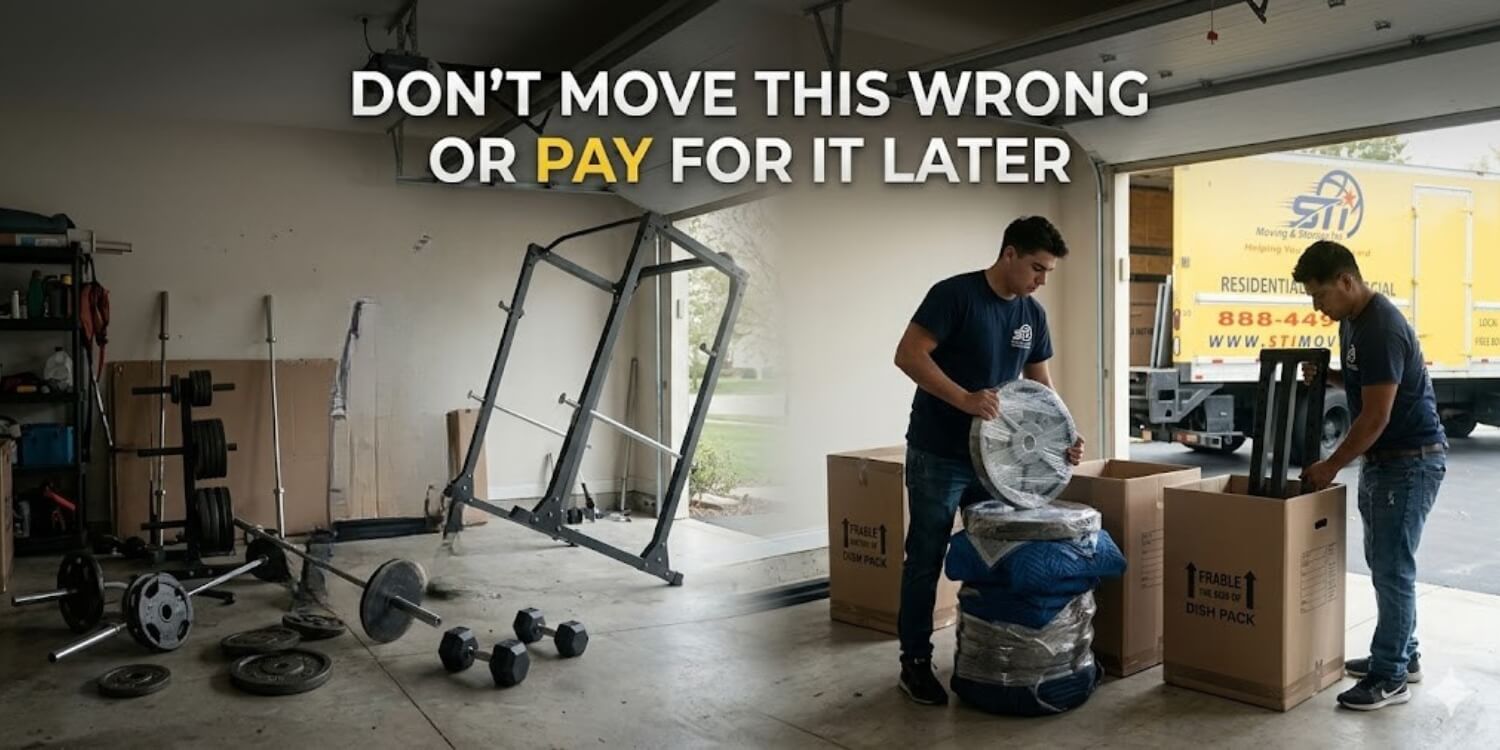
Free weights require careful packing because of their density and potential to cause damage. Wrap each weight individually with bubble wrap, making sure the material covers all edges. Secure the wrapping with durable packing tape to keep it from coming loose during transport. Place the wrapped weights in small, sturdy boxes reinforced with extra tape along the bottom and sides for added strength. Avoid overloading boxes with multiple weights to keep them within manageable weight limits and reduce the risk of box breakage. Fill any empty spaces with packing paper or foam to stabilize the contents and minimize shifting during transit.
Securing and Protecting Weight Machines
Weight machines can be complex to transport and require careful handling and protection. After disassembling the equipment, wrap individual components in moving blankets to protect them from scratches and impacts. Secure the blankets with strong rope or moving straps. For delicate parts such as pulleys and cables, use additional padding to help ensure these elements remain intact. To protect chrome or other polished surfaces, place pieces of cardboard as a barrier. Clearly label all components with their orientation and sequence to simplify reassembly. For parts that cannot be disassembled, wrap them in heavy-duty moving blankets and secure them with stretch wrap to help prevent damage.
Safe Handling and Loading Strategies
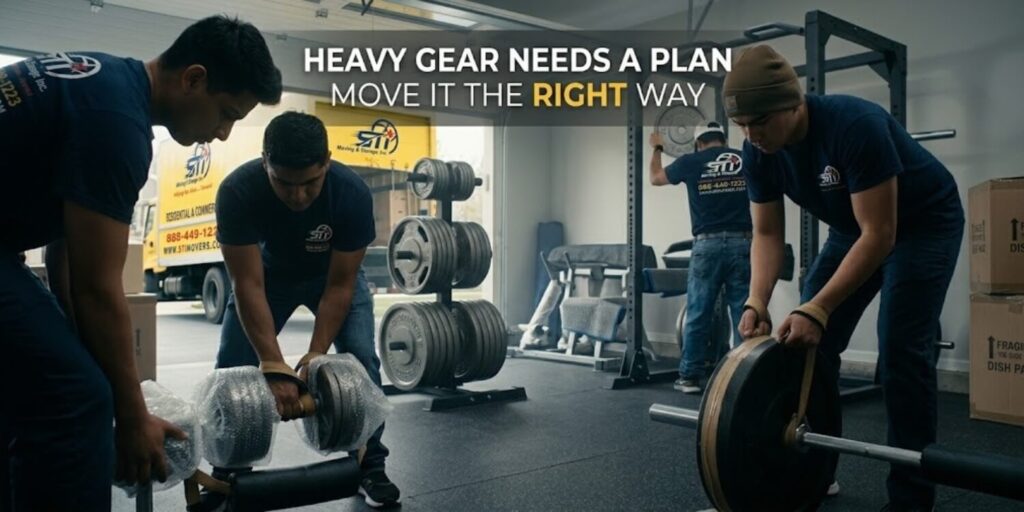
Handling and loading heavy exercise equipment requires proper techniques and careful planning. Use tools such as dollies or hand trucks that are rated for the weight of your items to reduce strain and improve safety. When lifting weights or equipment components, keep your back straight, bend at the knees and lift with your legs to help avoid injury. Develop a loading plan that prioritizes the balanced distribution of weight inside the moving vehicle. Heavier items should be placed at the bottom and closer to the front of the truck to improve stability. Secure all items with straps to prevent shifting during transport. If the equipment is particularly heavy or complex, consider hiring professionals to assist.
Organization and Inventory Management
Keeping your equipment organized is essential for a successful move. Create an inventory that includes details for each item, such as its weight, condition and any special requirements. Use a numbering system to label boxes and individual components, linking them to your inventory list for easy tracking. Keep manuals, assembly tools and warranty information in a clearly labeled, separate container. Photographs of valuable or complex equipment can also serve as a helpful reference. An organized approach helps ensure that no parts go missing and makes unpacking and reassembly more efficient.