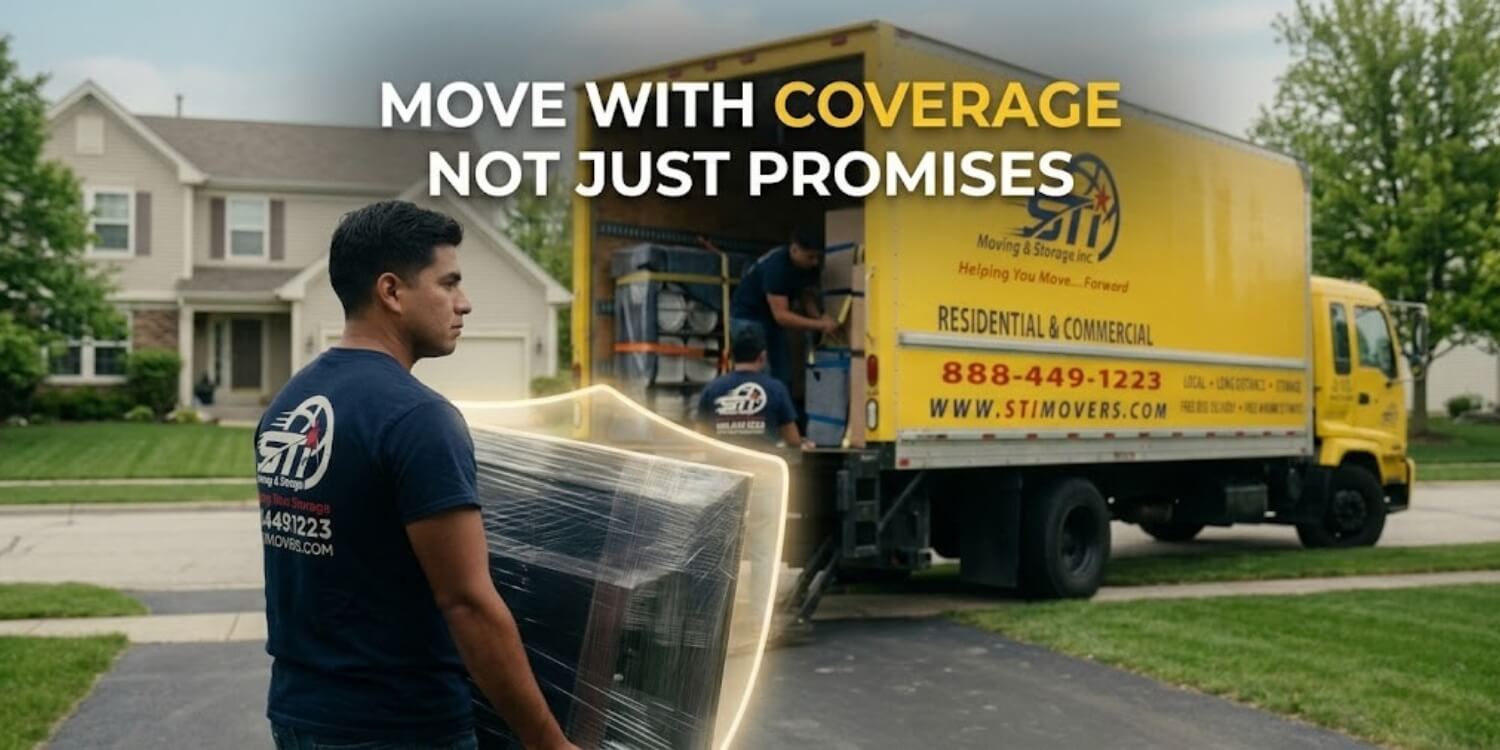
When furniture is moved without the right protection, your valuable belongings are at risk. Placing your antique couch and favorite coffee table in a moving truck without proper wrapping can lead to unwanted damage, such as scuffed wood, torn upholstery and cracked glass.
The good news is that you can avoid these problems with the right packing materials and a few simple steps. Wrapping your furniture properly helps protect it during the move, even if it shifts around inside the truck. All you need are some basic packing supplies, this easy guide and, if you need extra support, a helping hand from licensed movers.
Read on to learn how to wrap furniture for moving. We’ll cover the best materials and techniques for protecting your items, along with the benefits of hiring professional movers.
What Supplies Do You Need to Wrap Furniture?
Whether you’re wrapping furniture with plastic, moving blankets, or both, you’ll need a few essential supplies before you begin. Here’s what you’ll need:
- Stretch wrap: This is your first layer of protection for upholstered furniture. Wrapping sofas and chairs with stretch wrap helps protect them from dust and stains. It also helps keep moving blankets securely in place.
- Moving blankets: Padded moving blankets are one of the best ways to protect furniture during a move. They help absorb impact, prevent scratches and cushion corners and other exposed edges.
- Packing tape: Strong packing tape keeps the ends of materials like stretch wrap and cardboard sheets securely in place, preventing them from coming loose during transit.
- Bubble wrap: This provides extra protection for fragile items, such as mirrors and glass-top furniture, helping prevent cracks and chips. The air-filled bubbles absorb shock and create a protective cushion around your valuables.
- Cardboard sheets: Cardboard is an often-overlooked packing material that helps protect hard, flat surfaces like headboards and tabletops. It prevents dents and scratches by reducing direct contact with other items inside the moving truck.
- Corner protectors: These help protect the vulnerable corners of tables, cabinets and dressers. They absorb impact and reduce the risk of chips, especially when moving furniture through doorways or loading it into the truck.
- Moving straps: Thick lifting straps help distribute the weight of heavy furniture across your shoulders and back, making it easier to lift while reducing the risk of strain or injury. However, it’s often best to leave large, heavy items to professional movers.
- Tie-downs: These keep large and heavy furniture securely in place inside the moving truck. They help prevent shifting and sliding during transit, reducing the risk of damage to both the furniture and nearby items.
How to Wrap Different Types of Furniture
Here are a few tips for wrapping and protecting different types of furniture materials and styles.
Wooden Furniture
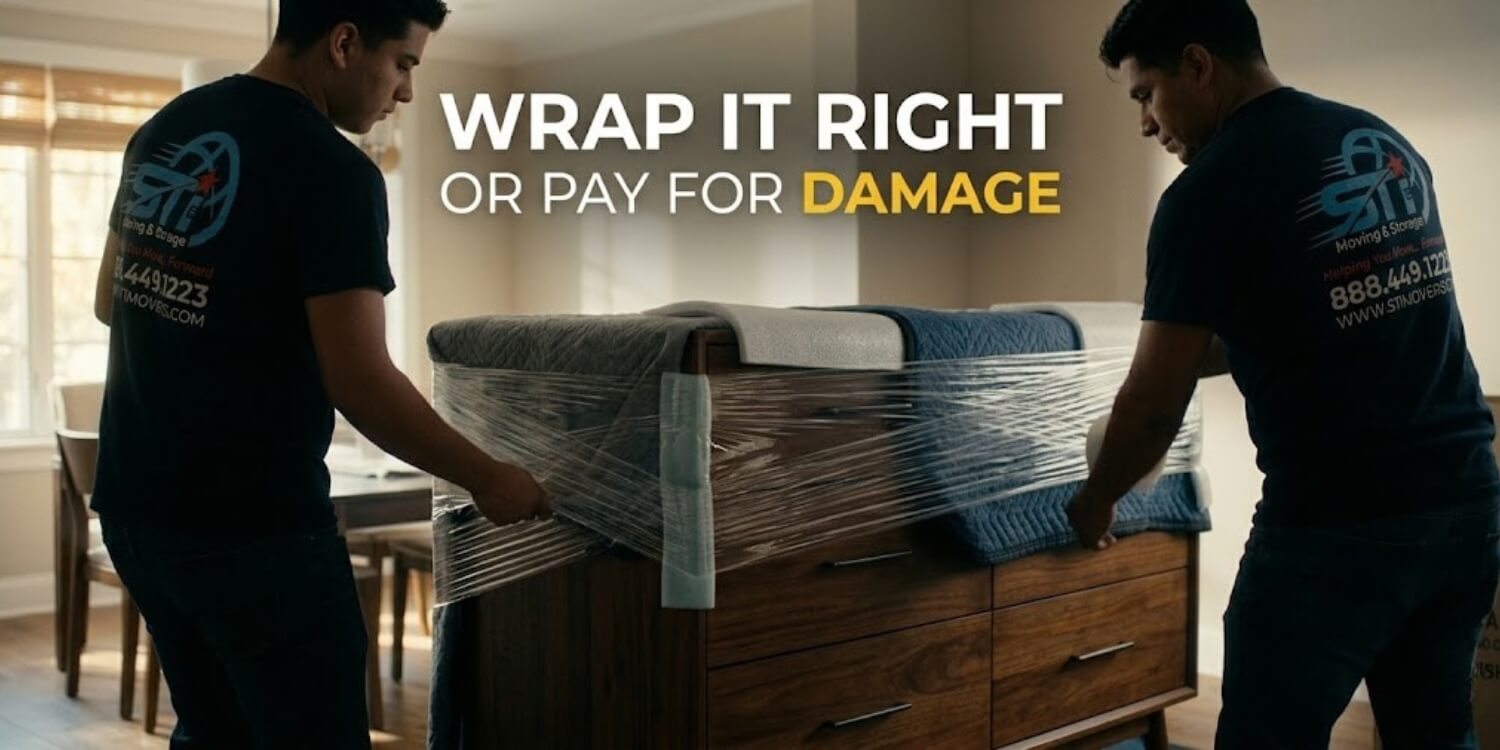
Wrap the entire piece with moving blankets, then secure them using stretch wrap. Pay extra attention to the legs and corners, as these areas are more likely to get bumped or damaged during the move.
The order matters: Always wrap wooden furniture with moving blankets first. Avoid applying stretch wrap directly to the wood, as the plastic can trap moisture and condensation against the surface, which may cause warping or damage to the finish.
Upholstered Furniture
If you’re wondering how to wrap a sofa for moving, start by using stretch wrap. Unlike wood, fabric doesn’t trap condensation, so you can wrap sofas, chairs and ottomans directly. This helps protect the furniture from dust and dirt, keeping it clean and dry throughout the move.
If possible, remove the cushions and legs and wrap them separately. Then, tightly wrap the entire sofa with stretch or plastic wrap, starting from the bottom.
Glass Tabletops and Mirrors
Wrap fragile items in multiple layers for extra protection. Start by placing packing paper over the entire glass or mirrored surface, then add a layer of bubble wrap for cushioning.
Next, cut cardboard sheets to fit the surface and place them on top for added support. Secure the edges with packing tape but never apply packing tape directly to bare glass, as it can leave behind sticky residue that’s difficult to remove.
Pro Tip: Whenever possible, remove breakable parts from larger furniture before moving. For example, take the glass top off your dining table and remove the mirror from your dresser. Packing these pieces separately helps prevent them from shifting or slipping during transit.
Headboards
Wrap headboards with moving blankets, then reinforce them with cardboard sheets. Secure everything in place using stretch wrap.
The corners are more likely to get chipped or cracked during the move, so add a few extra layers of stretch or plastic wrap for better protection. If the headboard is made from a delicate material, such as rattan or gesso, place a layer of bubble wrap over the first layer of plastic wrap and secure it with packing tape.
Wrapping and Packing Furniture for Moving: Step-by-Step Guide
Follow these seven steps to prepare your furniture for moving.

1. Clean It First
Start by cleaning your furniture. You don’t want dust or dirt trapped underneath wrapping materials like plastic, as these particles can rub against the surface during transit and cause scratches when the moving truck hits bumps.
For wooden furniture and glass tabletops, use a soft microfiber cloth with a gentle cleaner. Upholstered furniture, such as sofas, should be vacuumed thoroughly. If you’re moving leather furniture, including armchairs and loveseats, clean it with a leather cleaner designed for that material.
2. Take Some Photos
Before you grab a wrench or screwdriver to take furniture apart, take a few photos first. They’ll give you a clear reference when it’s time to put everything back together in your new home.
Photos also help you remember how you arranged your furniture. Some modular pieces can be assembled in different ways, so having pictures makes it easier to recreate the setup you had before.
3. Disassemble Your Furniture
Take apart any furniture that can be easily disassembled. Smaller, separate pieces are much easier to wrap, carry and move through narrow doorways. If possible, remove the cushions from upholstered furniture as well.
Place all hardware, such as screws and bolts, into clearly labeled plastic bags. You can keep them organized by attaching the bags to the furniture but use painter’s tape on delicate surfaces to avoid damaging the finish or upholstery.
Disassembling furniture before moving helps speed up the loading process, especially if you’re hiring movers. Some moving companies also offer furniture disassembly and reassembly services, making the entire moving process easier from packing and loading to transportation and setup in your new home.
4. Take Some Measurements
Wrapping your sofa or other large furniture won’t help if it can’t fit through the doorway of your new home. Before adding any padding or stretch wrap, measure the width, height and depth of each piece. Then, measure the doorways and stairwells in both your current and new homes.
Since wrapping adds a few extra inches to the size of your furniture, measure it again after it’s fully wrapped. Knowing the available clearance in advance helps you identify tight spaces and plan the best route for moving each piece.
5. Wrap Your Furniture
Wrap your furniture according to its material, using the guide above to protect each piece properly. Cushion wooden furniture with moving blankets first, then secure them with plastic wrap. For glass items, layer packing paper, bubble wrap and cardboard for added protection. If you’re ever unsure, call in the professionals for expert advice and hands-on help. Our courteous team at STI Moving & Storage is always happy to lend a hand, no matter what you’re moving.
6. Use the Right Equipment
Even perfectly wrapped furniture can get damaged if it’s carried incorrectly or set down too quickly. Fortunately, using the right equipment helps protect your furniture and ensures it arrives safely.
For example, furniture sliders make it easier to move items across flat, hard floors, while moving straps help distribute the weight of heavy furniture, reducing back strain and lowering the risk of accidental drops.
7. Load the Moving Truck Strategically
Start by loading the heaviest furniture pieces, such as sofas and dressers, and place them toward the back of the truck. Position them against the walls, then fill any empty spaces with soft items like pillows and moving blankets to help prevent shifting during transport.
Never place heavy items on top of glass furniture or glass pieces, as even moderate pressure can cause stress fractures. Always transport glass and mirrors in an upright position. When laid flat, they’re more likely to crack or shatter during the move. Keeping them vertical helps reduce the impact of road vibrations and prevents the glass from cracking under its own weight.
For a Stress-Free Moving Experience, Contact STI Moving & Storage
Wrapping sofas, dressers, and mirrors yourself is possible, but it takes time and effort. If you already have plenty to manage during your move, reach out to STI Moving & Storage.
Our professional movers in Chiagoland know how to protect furniture during a move, helping your belongings arrive safely without the extra work on your part. We have the experience and the right supplies to secure bulky beds, delicate glass tables, and antique bookshelves.
In addition to expert packing techniques, hiring professionals to pack and transport your furniture helps reduce stress and avoid unnecessary back strain. It makes moving day easier and gives you more time to focus on the rest of your moving checklist.
Whether you’re moving across town or across the country, STI Moving & Storage can handle the packing, furniture wrapping, and transportation for you. There’s no need to do it all yourself—leave it to the professionals. Call 847-675-1223 or request a free online quote today.